By Sen. Rick Bennett
The Maine Public Utilities Commission (PUC) announced that the rates most consumers will pay for electricity beginning in January are going down. For the most part, the roughly 28% drop in the Standard Offer may be welcome news to ratepayers who have suffered through a year of high energy prices. But when you peel back the layers of any onion, sometimes you may be surprised by what you find underneath.
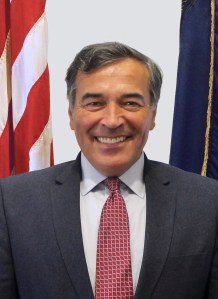
Hello, this is Senator Rick Bennett of Oxford County. It’s my pleasure to join you for this week’s Republican Radio Address.
The drop in electricity rates is certainly positive news. However, we need to remind ourselves that next year’s rate per kilowatt-hour is simply what we were paying last year. Rates next year will still be 79% higher than just two years ago.
Last year, the Maine PUC said the jump in electric rates was the result of higher prices in the natural gas and petroleum markets, which undoubtedly have been affected by the Biden Administration’s hostility toward fossil fuels. Unfortunately, those policies have hurt families at the household level and businesses at all levels from operating and manufacturing to distribution costs.
In October 2022, wholesale natural gas prices stood 47% higher than they are today, according to the U.S. Energy Information Administration. However, Maine ratepayers didn’t see that same 47% drop in the rates announced this week by the PUC.
Why, you ask? Well, that’s the next layer of the onion. Behind the scenes in setting electricity rates is getting bids based on where the power actually comes from.
In 2023, 11% of all our power supply was required to come from “green” renewable sources under the Maine PUC’s Renewable Resource Portfolio Requirement. For 2024, that arbitrary requirement goes up to 15%. Since these power sources often come at a much higher cost, some of the savings residents should have seen were left on the table.
Ironically, hydropower doesn’t qualify for that requirement although, once it’s built, it is renewable by all definitions.
Another factor tempering my enthusiasm is that rates went up in July in another category. This category, called stranded costs, is where the state has begun recovering millions of dollars in solar subsidies and the impact of the state’s Net Energy Billing program.
According to Maine Public Advocate Bill Harwood, these solar subsidies will cost Maine ratepayers about $4 billion over the next 20 years. The seven percent jump in rates we saw in July is just the start; and it will happen again next July unless the Legislature fixes this problem.
When it comes to energy, Maine will be at an uncompetitive disadvantage if we become one of the most expensive states in the country to live and operate in. That’s not a distinction we want.
This brings me to other news involving our state budget, which directly affects both residents and businesses alike through taxes.
Some listeners may remember that I have been highly critical of our state budgeting process. The Legislature has fallen into a trap where we don’t challenge the effectiveness of current spending before we consider any new spending. We are now at that same nexus.
Maine’s Revenue Forecasting Committee announced this week that the state is expecting another $265 million in tax revenue over the next biennium. Now, remember that we have already spent almost $11 billion over the next two years in recurring and one-time expenditures, which was 10% more than the previous budget.
With this unabated tax revenue growth, we’re at the point where we really need to consider reducing our tax burden to constrain it. This will also focus help on our families and seniors.
The 17% inflation we’ve seen over the past few years is taking its toll on Maine residents. Energy, oil, gas and food prices are still too high. Rents and mortgages are out of reach for many. And if you’re floating balances on credit cards right now, you’re paying almost 28% in interest.
Many are proposing new programs and new spending. I believe we must first address known policy failures – like in mental health and child welfare – where the State has clearly fallen down on the job.
Either way, the Legislature has a lot of work ahead of us next year.
Again, this is Senator Rick Bennett of Oxford County. I thank you for listening and hope you have a great weekend.
Senator Rick Bennett (R-Oxford) represents western Maine. He is currently the Senate Republican Lead on the Appropriations and Financial Affairs Committee and a member of the Government Oversight Committee.
 Maine Senate Republicans