When the 131st Maine Legislature wrapped up in May, its chaotic end laid bare the operational issues that have plagued the two-year session. From delaying action on too many pieces of legislation and poor management that led to periods of wasted time to disregard of the rules we already have, it was quite obvious that changes are needed in how the Legislature operates.
Well, I’m happy to report that the Joint Rules Committee, of which I am a member, has convened twice to consider such changes. And from what we’ve accomplished thus far, we may be able to give the next Legislature that convenes in December a much better operational roadmap.
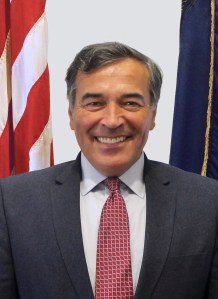
Hello, this is Sen. Rick Bennett from Oxford County. It’s my pleasure to join you for this week’s Republican Radio Address.
The Legislature adopts the rules by which we operate every two years when we first convene a new session. Over the history of the Legislature, those rules have changed at times or been simply a continuation of the previous Legislature. Regardless, our current rules state that the Joint Rules Committee must convene at least once every two-year session.
However, when we first met back in July, it was the first time the Joint Rules Committee had convened in six years. It was long overdue, particularly since the Maine Legislature has wallowed in dysfunction and wasted the precious time and talent of its members — and the public – regardless of which party was in charge.
As a former Senate president, I have been advocating to fix our legislative dysfunction for years. Therefore, the first meeting of the Joint Rules Committee was exciting for me. What pleasantly surprised me, however, was the strong participation of other members of the Legislature and especially by members of the public who appeared before the committee.
It was quite obvious that our dysfunction inside the State House has affected many others outside of it. From the Maine State Chamber of Commerce to individuals who represent specific companies and organizations, we heard firsthand the problems they experienced with the Legislature’s lack of transparency. We also heard from fellow lawmakers who proposed rule changes to help staff work more efficiently.
For me, the changes I proposed are simply common sense.
First, our duty of Executive Branch oversight is just like that of Congress and involves two distinct areas – the state budget and measuring the effectiveness of state agencies and programs.
When it comes to the budget, the Legislature relies on a committee of 13 lawmakers to decide spending for nearly the entire state government. With the state budget now at $10.8 billion, we should consider expanding the committee to broaden the expertise and help build consensus before the budget is sent to the House and Senate for consideration.
But before that, we should use the first six weeks of the legislative session to meet only in committees to perform Executive Branch oversight, which is done very poorly now in Maine. Let each policy committee learn about the agencies and programs it oversees from both executives and members of the public. Done right, this will improve the separation of powers and help our lawmaking and budgeting processes.
Another rule I recommended changes with is Cloture, which is the deadline by which all legislators must file all of their legislative ideas, or bills, for the next two years. The problem is this deadline has recently been in mid-December, just six weeks after their election and before they serve a real day in office.
In theory, this is to cut down the number of bills and ensure legislative staff is not overwhelmed throughout the session. However, it doesn’t work – faced with the deadline, legislators submit every idea imaginable, even those they may come to regret.
Another change I proposed is the result of much public outcry, which is the elimination of bill titles with no substance to them – we call them concept drafts. The 131st Legislature had a record number of these blank bills – 251 in fact. The public was left wondering what these bills would actually do until the day of its public hearing.
Even if bill language is present, amendments that could change a bill entirely are often presented to a committee without any public foreknowledge about it. Any public hearing should be delayed until at least two weeks after an amendment has been released.
Scheduling public hearings after all information is known will allow optimal public input when it matters most. It also gives the media ample time to report about important issues.
To also cut down on concept drafts, allow committee members to put in bills after they have a chance to learn about what’s working and what’s not in State government. Perhaps give a select few on a committee the authority to generate a bill after cloture. And maybe all members ought to be given a reprieve from cloture entirely, although late-filed ideas may run out of time for consideration.
How the Legislature operates is just as important as the laws we pass. If you have worked closely with Maine’s Legislature in the past and have an idea, please send me a message about it via our website at MESenateGOP.com. That’s MESenateGOP.com.
Again, this is Senator Rick Bennett of Oxford County. Thank you for listening and have a great weekend.
Senator Rick Bennett (R-Oxford) represents District 18 and is the Senate Republican Lead on the Appropriations and Financial Affairs Committee. He is also a member of the Legislature’s Government Oversight Committee and the Joint Rules Committee.
 Maine Senate Republicans