By Sen. James Libby
If you’ve taken a close look at your pay stub since January 1st, you may have noticed a new tax is being deducted from your paycheck. This new payroll tax is part of Maine’s Paid Family and Medical Leave Program (PFML), which was enacted in the 2023 “Part II biennial budget.” Though enacted in 2023, this controversial tax did not take effect until the first of this year.
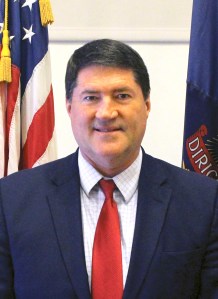
Hello, I’m Senator James Libby of Cumberland County. I have the honor of serving the citizens of Senate District 22, which consists of communities in Cumberland, Oxford and York counties.
According to WalletHub, Maine continues to rank in the top five for highest overall tax burden as of April 1. With a total tax burden of 10.64 percent, the last thing Mainers need is for even more of their hard-earned money to be taken away.
While paid family leave is a noble endeavor, the version passed in Maine is poorly thought out and harms businesses and workers. Maine is one of only 13 states that have enacted mandatory state paid leave systems funded by payroll taxes.
Of the 13 states with tax-funded paid leave, Maine is ranked near the top for highest wage replacement rate, benefit cap and employer share of program financing. Unfortunately, nothing is free; and the most generous programs are the most expensive. We still don’t even know how much this program will cost when benefits begin in May of next year.
When Maine’s program was first proposed in 2023, numerous business owners and organizations highlighted its serious flaws. This program disproportionately affects small businesses. Maine is a small business state, and these employers simply cannot afford to lose an employee for almost three months.
This program negatively impacts large employers as well. Bath Iron Works and the Maine State Chamber of Commerce are currently suing the state over its implementation of the PFML program. Under the statute, businesses that offer a private paid leave option that meets program requirements are granted an exemption from paying into the program.
Despite this statutory exemption, however, these employers and their employees have been paying in to a system that they will never use. Although the Maine Department of Labor started accepting opt-out applications, the implemented rules do not specify any deadline for the department to act.
Last Wednesday, the Legislature’s Labor Committee held public hearings on 11 bills aiming to address this problematic program. While some of these bills would fully repeal the PFML program, others were targeted to address specific problems that affect Maine’s businesses.
Sen. Bradstreet introduced LD 1307, “An Act to Suspend the Remittance Obligation for Paid Family and Medical Leave Private Plan Users.” This bill would address the concerns raised in the lawsuit against the state and ensure that businesses and employees who never use the PFML program don’t have to contribute.
Other bills, including LD 952, “An Act to Exempt Agricultural Employers and Employees from the Maine Paid Family and Medical Leave Benefits Program,” introduced by Senator Black, aim to address the flaws of this program on particular industries.
There are ways to implement a paid leave program that works for businesses, employees, and taxpayers. Ten states have successfully enacted and implemented voluntary programs, including New Hampshire’s innovative program that blends family medical leave insurance with business tax credits to soften the hit.
The Legislature should prioritize solutions that work for everyone, without massive tax increases and raising the burden on Maine’s employers. If this flawed program can’t be repealed and replaced, we should at least adopt some of the modest reforms proposed that would bring us into line with most other states that have a paid leave program.
Again, this is Senator James Libby from Cumberland County. Thank you for tuning in to this week’s Republican Radio Address and make sure to follow Maine Senate Republicans on Facebook, Instagram, and X.
Dr. James Libby represents the communities of District 22 in the Maine State Senate. He is the Senate Republican Lead for the Legislature’s Education and Cultural Affairs Committee.
 Maine Senate Republicans